
Why Standing Water Develops Inside Dryer Vents in Florida Homes
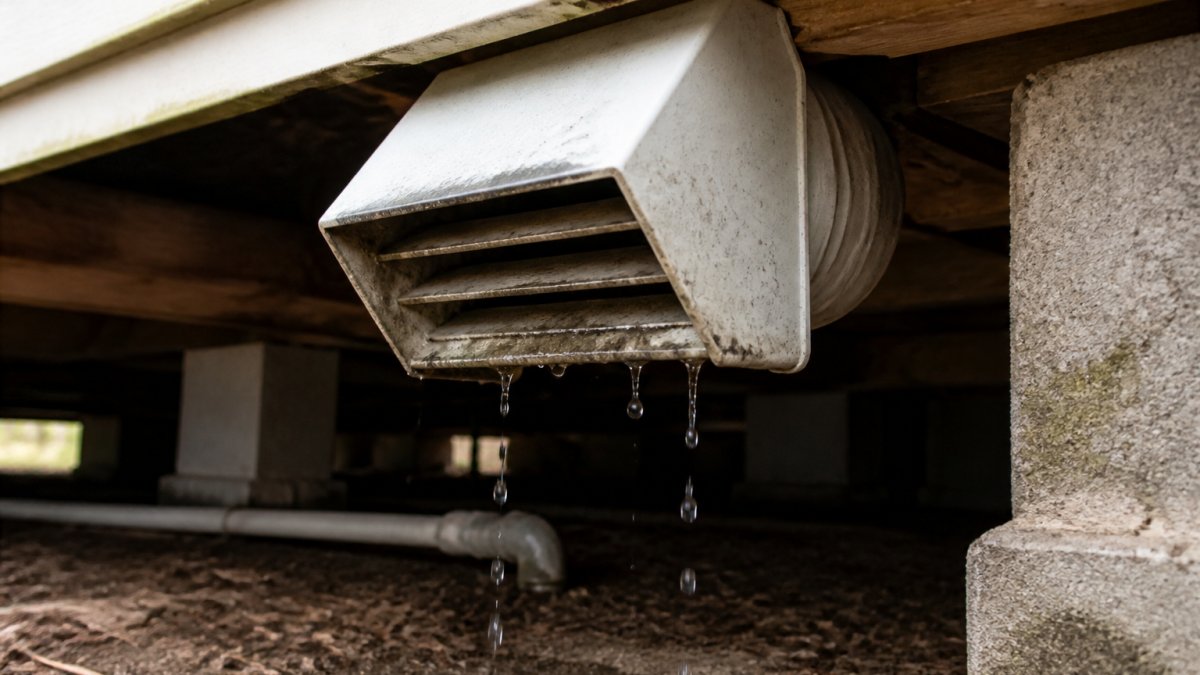
Table of Contents
- Why Standing Water Develops Inside Dryer Vents in Florida Homes
How Moisture, Lint Buildup, and Poor Duct Installation Can Lead to Serious Dryer Problems
Meta Description: Discover why water collects inside dryer vents in Florida homes, how moisture causes lint blockages, and when cleaning or duct replacement may be necessary.
Most homeowners know that lint can build up inside their dryer vent. But what happens when water starts collecting inside that same duct?
Here in Florida, where humidity is part of everyday life, moisture inside dryer exhaust systems can become a significant problem. When water and lint combine, they can create thick, compacted blockages that are much more difficult to remove than ordinary dry lint.
I've encountered this during dryer vent cleanings in the Jacksonville area. What starts as a routine cleaning can turn into a much bigger problem when standing water, saturated lint, and restricted airflow are discovered inside the duct.
Understanding where that water comes from, why it accumulates, and what can be done about it can help homeowners recognize problems before they become more serious.
Why Is There Water Inside My Dryer Vent?
A clothes dryer removes moisture from wet laundry by heating the clothes and moving warm, moisture-laden air through the exhaust duct to the outside.
Under normal operating conditions, that moist air should leave the home without accumulating significant amounts of water inside the duct.
However, certain conditions can cause water vapor to condense into liquid before it reaches the exterior termination.
1. Condensation Inside the Dryer Duct
Condensation occurs when warm, humid air comes into contact with a cooler surface.
Think about a cold glass of water sitting outside on a humid Florida afternoon. Water droplets form on the outside of the glass because moisture in the surrounding air condenses against the cooler surface.
A similar process can occur inside a dryer exhaust duct.
As warm, moisture-filled air travels through the duct, it may encounter cooler sections of metal piping. If the duct surface is cold enough, some of that moisture can condense into water.
This can be particularly concerning when dryer ducts travel through unconditioned or cooler spaces, including certain crawlspaces, garages, and other areas where temperatures differ from the air moving through the duct.
Important: Florida's outdoor humidity does not automatically cause standing water inside a properly functioning dryer vent. Condensation depends on temperature differences, moisture levels, airflow, and duct conditions.
2. Dryer Ducts Installed Beneath the Home
Some Florida homes have dryer exhaust ducts routed beneath the floor or through a crawlspace.
Depending on the home's construction, these ducts may be exposed to damp conditions, temperature changes, or areas where moisture can collect.
One concern with an under-floor installation is the duct's configuration.
If the duct develops a low spot, sags, or is installed in a way that allows water to collect, condensation may accumulate rather than drain or move out of the system.
Over time, even a relatively small amount of standing water can interfere with airflow.
I've encountered this firsthand while cleaning dryer exhaust ducts routed beneath homes. In one particularly challenging cleaning, water and heavily saturated lint had accumulated inside the duct, creating a significant restriction.
Removing the water and lint improved airflow, but the condition of the installation raised concerns about whether cleaning alone would provide a lasting solution.
3. Long Duct Runs and Multiple Elbows
The longer the dryer exhaust duct, the more resistance the air encounters as it travels toward the exterior.
Every elbow, bend, and change in direction can add resistance.
Long or complicated duct configurations may contribute to moisture problems when airflow is insufficient to carry humid exhaust air effectively out of the system.
As airflow decreases, moisture may remain inside the duct longer, increasing opportunities for condensation under the right conditions.
Lint also tends to accumulate around bends, joints, and other areas where airflow is disturbed.
A long duct isn't automatically defective, but its length and configuration should be evaluated against the dryer manufacturer's requirements and applicable installation standards.
4. Improper Exhaust Terminations
The exterior termination is where dryer exhaust leaves the building.
Depending on the installation, this may be located on an exterior wall or roof.
A damaged, obstructed, or improperly installed termination can interfere with airflow and contribute to moisture problems.
Water may also enter through certain damaged or poorly installed exterior terminations, particularly during heavy rain.
In Florida, where strong thunderstorms and wind-driven rain are common, this possibility deserves attention.
Not all water found inside a dryer duct is condensation.
In some cases, the source may be rainwater entering from outside.
Identifying the source is important because removing the water without addressing how it entered may allow the problem to return.
What Happens When Water and Dryer Lint Mix?
This is where the problem becomes particularly concerning.
Dryer lint is made up of small fibers released from clothing and other fabrics during drying.
When dry, lint can accumulate along duct walls and around bends.
Add water, and the situation changes.
Wet Lint Can Stick to the Duct Walls
When lint becomes saturated, it can cling to the interior surfaces of the exhaust duct.
Instead of remaining loose and relatively easy to remove, the material may form dense layers or clumps.
Repeated drying cycles can introduce more lint into the same wet areas, gradually increasing the buildup.
Over time, these accumulations can become compacted and difficult to remove.
I've seen situations where the material resembles a thick, wet paste rather than the fluffy lint most homeowners recognize from their lint screens.
Water Can Create a Partial Blockage
Standing water occupies space inside the exhaust duct.
If enough water collects in a low section of the pipe, the available opening for airflow becomes smaller.
Lint can accumulate around that restriction, further reducing the space available for exhaust air to pass.
This can create a developing problem:
- Water accumulates in a low section of the duct.
- Lint begins collecting around the wet area.
- The buildup restricts airflow.
- Reduced airflow may contribute to additional moisture retention.
- The restriction becomes progressively more difficult to clear.
Eventually, the dryer may struggle to exhaust warm, moist air effectively.
Clothes may require multiple drying cycles, and the dryer may experience increased operating temperatures.
Wet Lint Can Become Hardened and Compacted
One of the challenges with moisture-related lint buildup is that accumulated material may become densely packed.
As moisture levels fluctuate, layers of lint can dry, become wet again, and form stubborn deposits.
Ordinary cleaning methods may have difficulty removing these deposits, particularly when they are located deep inside long duct runs.
Specialized cleaning equipment, including compressed-air agitation and rotary brushes, may be necessary.
However, equipment selection depends on the duct's condition and configuration. Aggressive cleaning methods are not appropriate for every installation, especially if the duct is damaged or improperly supported.
A Real Dryer Vent Cleaning Problem in Jacksonville
During a recent dryer vent cleaning, the homeowner reported that clothes were taking multiple cycles to dry.
An initial airflow measurement showed approximately 35 CFM, indicating low airflow at the measurement location.
A camera inspection was attempted, but standing water inside the duct limited how far the camera could travel.
The cleaning process involved compressed air to help remove water and saturated lint from the exhaust line.
As the cleaning progressed, substantial amounts of wet lint and water were expelled.
Additional cleaning was performed from the interior connection to address areas that could not be reached effectively from the exterior.
After cleaning, airflow improved to approximately 82 CFM.
That represented a substantial improvement, but the remaining system conditions were still a concern.
Why Cleaning Wasn't the Complete Answer
Although airflow improved, the presence of water inside the duct raised questions about the installation itself.
The exhaust line was routed beneath the home, where its configuration and surrounding conditions could contribute to ongoing moisture problems.
Simply removing the accumulated lint and water did not guarantee the problem would not return.
For this installation, replacing the existing duct with a properly designed route through the attic and to an appropriate exterior termination was recommended.
The important lesson is that cleaning can remove an obstruction without correcting the condition that allowed it to develop.
Note: The airflow readings describe this individual job. They should not be treated as universal performance standards for other dryer exhaust systems.
Warning Signs of Water Inside a Dryer Vent
Homeowners generally cannot see inside their dryer exhaust ducts.
However, certain conditions may suggest a moisture problem.
Longer drying times: Clothes that previously dried in one cycle may begin requiring two or more cycles.
Water at the exterior termination: Water dripping from the vent opening during or after dryer operation may indicate excessive condensation or another moisture source.
Wet lint near the exhaust opening: Damp or compacted lint around the termination may indicate that moisture is accumulating inside the system.
Musty odors: Persistent dampness may contribute to unpleasant odors, although these can also originate from the dryer, laundry, or surrounding area.
Unusual airflow: Weak airflow at the exterior termination may indicate a restriction, although airflow can also be affected by duct configuration or dryer operation.
None of these signs independently confirms standing water inside the duct.
A professional inspection can help identify possible causes.
Safety Reminder: If the dryer produces a burning smell, visible smoke, or excessive heat, stop using it until the cause has been evaluated and corrected.
Can a Dryer Vent With Standing Water Be Cleaned?
In many cases, yes.
Professional dryer vent cleaning equipment can sometimes remove accumulated water, wet lint, and other obstructions.
The methods used depend on the duct's accessibility, construction, and condition.
For example, compressed-air cleaning may help move accumulated water and loosened lint toward an accessible discharge point.
Rotary brushes may assist with removing stubborn deposits when the duct material and condition permit their use.
Vacuum equipment may also be appropriate for collecting water or debris, provided it is designed for that purpose.
However, there are limitations.
If water has accumulated because of a damaged duct, an improper slope, a sagging section, or another installation problem, cleaning may only provide temporary improvement.
That is why identifying the cause matters as much as removing the blockage.
When Should a Dryer Exhaust Duct Be Replaced Instead of Cleaned?
Not every dryer vent with standing water needs replacement.
Sometimes the issue can be corrected through cleaning, termination repairs, or other relatively limited improvements.
However, replacement or rerouting should be considered when the existing installation cannot reliably exhaust moisture and lint.
1. Repeated Water Accumulation
If standing water returns after cleaning, the source needs to be investigated.
Repeated accumulation may indicate a drainage, condensation, weather-entry, or duct-configuration problem that routine cleaning cannot resolve.
2. Sagging or Improperly Supported Ductwork
Duct sections that sag may create low points where water and lint collect.
If the existing duct cannot be properly supported or corrected, replacement may be appropriate.
3. Damaged or Disconnected Duct Sections
Crushed, separated, corroded, or otherwise damaged ductwork may interfere with airflow or allow exhaust moisture to escape into concealed spaces.
Depending on the extent of the damage, individual sections may require repair or replacement.
4. Improper Duct Materials
Dryer exhaust ducts must be constructed using materials appropriate for their location and installation.
Flexible transition ducts intended for connecting the dryer to the building's exhaust system should not automatically be treated as suitable for concealed duct runs.
When improper materials are discovered inside walls, ceilings, or other concealed locations, corrective work may be necessary.
5. An Exhaust Route That Continually Creates Problems
Some duct installations have long runs, difficult access points, repeated moisture accumulation, or other conditions that make maintenance challenging.
In these situations, evaluating an alternative route may be worthwhile.
For example, relocating an under-floor duct to a properly designed attic route may eliminate problematic low sections and improve access.
However, an attic installation must still meet applicable duct material, routing, support, length, insulation, and termination requirements. Routing through an attic is not automatically better than routing beneath a home.
Any proposed replacement should be evaluated for the specific installation.
Why Repeated Cleaning May Not Solve the Problem
Consider a dryer vent that develops standing water because of a sagging duct section.
A professional cleaning removes the water and accumulated lint.
Airflow improves, and drying performance may return closer to normal.
But the low spot remains.
The next time enough moisture condenses or enters the duct, water may begin collecting in the same location.
Lint can accumulate again, restarting the cycle.
In this situation, scheduling more frequent cleanings may manage the symptoms without addressing the underlying cause.
Sometimes the better long-term solution is correcting the duct installation rather than repeatedly cleaning the same problem.
That doesn't mean homeowners should automatically replace their dryer vents when moisture is discovered.
It means the cause should be identified before deciding whether cleaning, repair, or replacement is the most appropriate solution.
What Should Homeowners Do if They Suspect Water in Their Dryer Vent?
If you suspect water is accumulating inside your dryer exhaust system, begin by paying attention to changes in dryer performance.
Look for signs of excessive moisture at the exterior termination, unusual odors, or consistently longer drying times.
Avoid attempting to force cleaning brushes through a duct that may contain standing water or an unknown obstruction.
A professional inspection may help determine whether the issue involves lint accumulation, a damaged duct, condensation, or water entering from outside.
Camera inspections can provide useful information when the duct configuration allows access, although standing water and blockages may prevent the camera from reaching certain areas.
Airflow measurements may also help evaluate system performance.
Once the condition is better understood, the appropriate response may involve cleaning, repairing damaged components, correcting the termination, or replacing sections of the duct.
Conclusion
Standing water inside a dryer exhaust duct is not something homeowners should ignore.
While Florida's humidity and weather can contribute to moisture-related problems, water accumulation usually requires a closer look at the exhaust system's installation, condition, and operation.
When moisture combines with lint, the resulting buildup can restrict airflow and make cleaning more difficult.
In some cases, professional cleaning can restore airflow and remove the accumulated material.
In others, the underlying duct configuration or damage must be corrected to prevent the problem from returning.
The important thing is understanding why the water is there, not simply removing it and assuming the problem is solved.
Frequently Asked Questions
Is it normal to have water inside a dryer vent?
Small amounts of condensation can occur under certain conditions, but standing water inside a dryer exhaust duct is not something to ignore. It may indicate condensation, rainwater entry, damaged ductwork, or an installation problem that requires evaluation.
Can Florida's humidity cause dryer vent blockages?
Humidity can contribute to moisture-related problems when conditions allow condensation to develop. However, outdoor humidity alone does not automatically cause dryer vent blockages. Duct temperature, airflow, routing, and installation conditions also matter.
Will dryer vent cleaning remove standing water?
Some professional cleaning methods can remove accumulated water and wet lint. However, cleaning does not necessarily correct the condition that allowed water to collect. If moisture repeatedly returns, the underlying cause should be investigated.
Should a dryer vent run through the attic instead of under the house?
Not necessarily. Either route may be suitable when properly designed and installed. An attic route may help avoid certain under-floor problems, but it introduces its own requirements and potential challenges. The best route depends on the home's construction, duct configuration, and applicable installation requirements.
How do I know if my dryer vent needs replacement?
Replacement may be appropriate when the duct is damaged, improperly installed, repeatedly collects water, or cannot be effectively maintained. A professional evaluation can help determine whether cleaning, repair, or replacement is the better option.