
How to Keep Birds and Pests Out of Your Dryer Vent
Last Updated: November 1, 2026
Quick Summary
Preventing birds and other pests from entering a dryer exhaust system begins with a properly installed exterior termination. Damaged covers, stuck dampers, and openings around exterior wall penetrations can allow pests to enter. However, adding screens or wire mesh to the exhaust outlet can create a dangerous lint restriction.
- Exterior termination: A properly installed dryer exhaust termination should have a functioning backdraft damper.
- Birds and rodents: Damaged covers, open dampers, and gaps around exterior penetrations can provide access.
- Screens and mesh: Ordinary screens and wire mesh should not be installed over dryer exhaust outlets because they can collect lint and restrict airflow.
- Warning signs: Nesting material, damaged vent covers, unusual noises, or restricted airflow may indicate a pest problem.
- Professional evaluation: If an animal or nest is suspected inside the exhaust duct, stop using the dryer until the situation has been safely evaluated.
Table of Contents
- How Pests Get Into a Dryer Vent in the First Place
- Signs That Birds or Other Pests May Be in Your Dryer Vent
- Choosing a Proper Dryer Exhaust Termination
- Why Dryer Vent Screens Can Create a Safety Problem
- When Your Dryer Vent Flap Is Not Closing
- What to Consider When Replacing a Dryer Vent Termination
- Simple Maintenance Habits That Help Prevent Pest Problems
- When Professional Dryer Vent Service May Be Necessary
- Frequently Asked Questions
- Conclusion
How Pests Get Into a Dryer Vent in the First Place
Birds, rodents, and other small animals may enter dryer exhaust systems through damaged exterior terminations or openings that are not properly protected. These locations can provide shelter, particularly when a damper is stuck open or a termination cover has deteriorated.
Understanding how pests enter the exhaust system is the first step toward selecting an appropriate solution that doesn't interfere with dryer airflow.
The Warm, Linty Invitation Your Vent Sends
Dryer exhaust carries warm, moisture-laden air outdoors. When the dryer isn't operating, the duct and exterior termination may offer a sheltered location that attracts certain birds or small animals.
Nesting material may accumulate near the exterior opening or farther inside an accessible section of ductwork.
The main concern isn't simply that an animal has entered. Nesting material and other debris can obstruct the exhaust passage, affect dryer performance, and create conditions that require attention before the dryer is used again.
Gaps Around the Exterior Wall
The exterior termination isn't the only area that deserves attention. Openings around the duct where it passes through an exterior wall may allow pests or outdoor moisture to enter the surrounding structure.
Deteriorated sealant, loose mounting hardware, and damaged siding can create openings that should be corrected.
Sealing gaps around the exterior penetration helps protect the building, but it must not obstruct the dryer exhaust outlet or interfere with the damper.
Common entry spots we see:
- Cracked sealant around the duct collar
- Loose or missing screws on the cover plate
- Gaps between siding and the vent hood
Sealing those gaps matters as much as the cover you choose.
Signs That Birds or Other Pests May Be in Your Dryer Vent
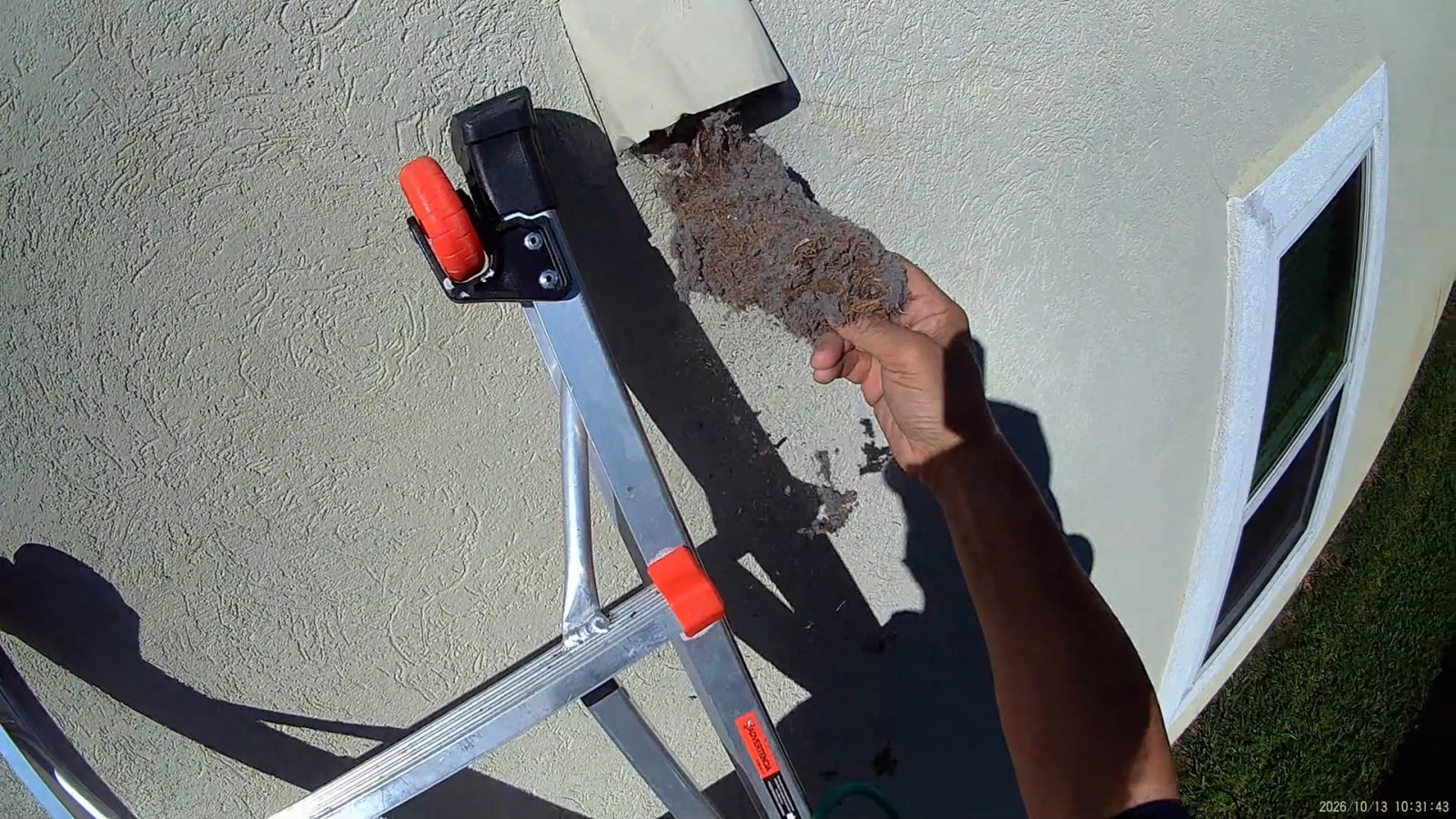
Bird nesting material discovered inside a dryer exhaust termination during a ClearFlow Jax service. Nesting debris can restrict airflow and prevent the exterior damper from operating correctly.
Homeowners may notice signs of pest activity around the dryer exhaust termination before they realize an animal has entered.
Possible warning signs include:
- Twigs, grass, feathers, or nesting material protruding from the termination.
- Scratching or chirping sounds near the exhaust opening.
- A damper that appears stuck open or moves when the dryer isn't operating.
- Chewed or damaged termination components.
- Unusual debris or droppings near the exterior opening.
- Reduced airflow or unexpectedly longer drying times.
These symptoms do not always indicate that an animal is present. Lint accumulation, damaged ductwork, or mechanical problems can produce similar performance issues.
If nesting material or an animal is suspected inside the exhaust duct, stop using the dryer until the condition can be safely evaluated.
A camera inspection may help identify obstructions in accessible portions of the duct, but it cannot guarantee visibility throughout the entire exhaust system.
Choosing a Proper Dryer Exhaust Termination
A proper dryer exhaust termination should allow lint and exhaust air to discharge outdoors while helping discourage pest entry. The termination should have an appropriate backdraft damper and be designed for dryer exhaust use. No conventional termination should be assumed completely pest-proof.
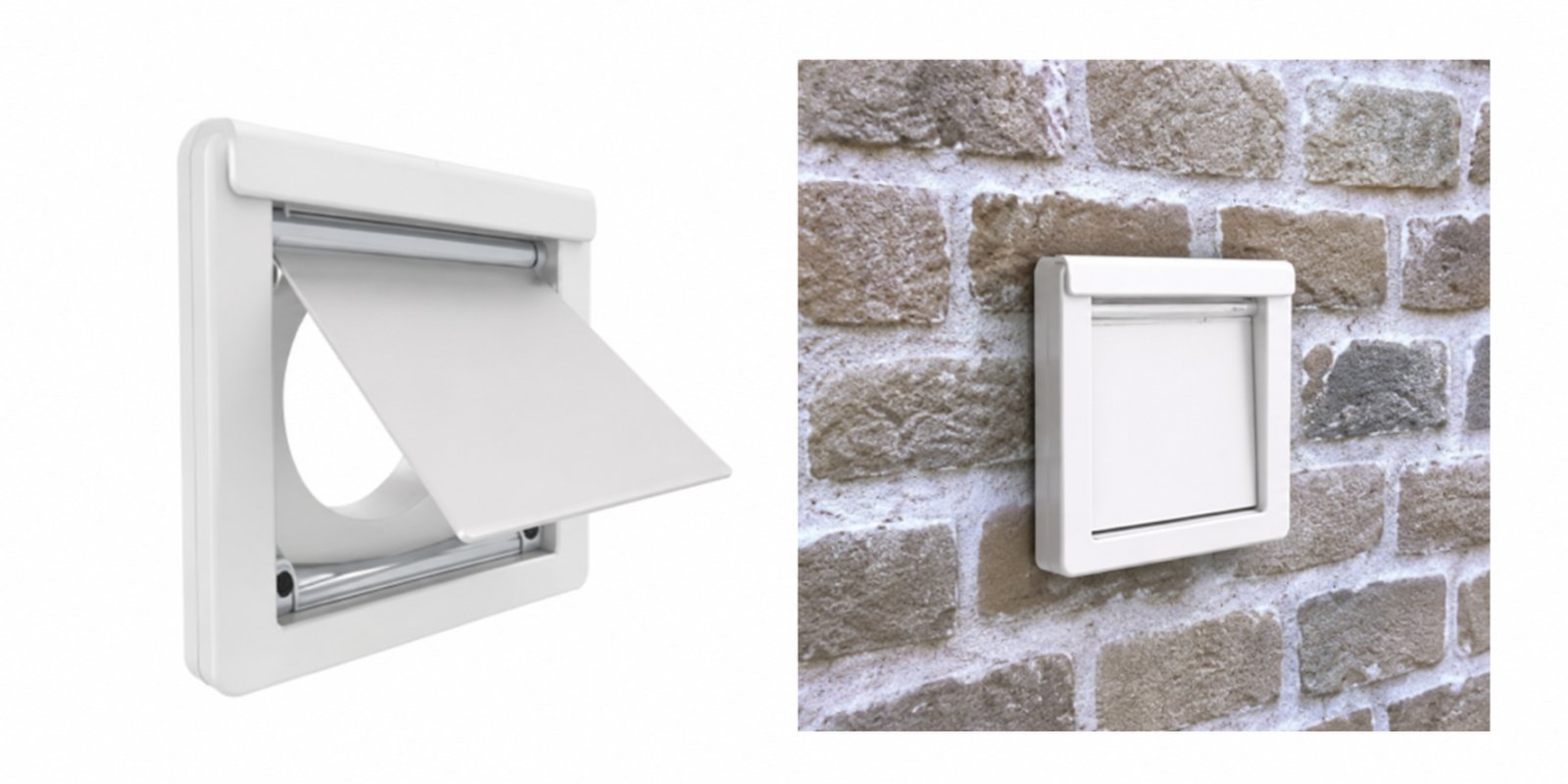
InOvate Dryer Wall Vent
Common Exterior Dryer Termination Designs.
Most covers sold for pest exclusion fall into one of four families. Each trades off durability, pest resistance, airflow, and upkeep differently.
Termination design | Considerations |
|---|---|
Metal hood with backdraft damper | Durable option when correctly sized and installed; damper must move freely |
Approved louvered termination | Suitability depends on the specific design and applicable requirements; lint-catching obstructions must be avoided |
Plastic hood with backdraft damper | May be suitable when rated for dryer exhaust, but damaged or deteriorated components should be replaced |
Screen or wire mesh covering | Not appropriate at ordinary residential dryer exhaust terminations because lint can accumulate and restrict airflow |
A metal termination may offer greater resistance to physical damage, but the material alone doesn't determine whether the product is suitable. The design, damper operation, airflow passage, and installation requirements all matter.
The Specs That Actually Matter
- Designed for dryer exhaust: Choose a termination intended for use with a clothes dryer, not a general-purpose ventilation cover.
- Functioning backdraft damper: The damper should open during dryer operation and close when the dryer stops.
- Unobstructed exhaust passage: Avoid screens, mesh, or other barriers that can collect lint and restrict discharge.
- Suitable construction: Select a durable product appropriate for outdoor exposure and the installation location.
Why Lightweight Plastic Covers Fail
Plastic dryer termination covers may deteriorate from sunlight, weather, impact, or animal damage over time. Cracks, missing components, or a damper that no longer closes can create access points for pests.
Metal covers may offer greater durability in some installations, but a properly rated plastic termination isn't automatically defective.
The important consideration is whether the existing termination is suitable, undamaged, and operating correctly.
Check the Manufacturer and Local Rules First
Before replacing an exterior termination, check the dryer manufacturer's instructions and applicable local requirements. The cover must be suitable for dryer exhaust and should not add an obstruction that affects the system's ability to discharge air and lint.
Why Dryer Vent Screens Can Create a Safety Problem
Homeowners sometimes assume that adding a wire screen or mesh covering over an exterior dryer vent is an effective way to keep birds and rodents out.
Although a screen may prevent animals from entering, it can create another problem: lint accumulation.
Dryer exhaust carries small lint fibers that can collect on screens, wire mesh, and other barriers. As the material accumulates, the available opening becomes smaller, potentially restricting exhaust airflow.
Restricted airflow can contribute to longer drying times and excessive heat buildup.
Florida's residential building code prohibits screens at dryer exhaust terminations. (https://interpretations.boaf.net/view/8781/)
The better approach is to maintain an appropriate dryer exhaust termination with a functioning backdraft damper, correct damaged components, and seal gaps around the exterior wall penetration without obstructing the exhaust outlet.
If a homeowner is considering a specialty pest-resistant termination, the product should be evaluated for compliance with applicable building requirements and the dryer manufacturer's instructions.
When Your Dryer Vent Flap Is Not Closing
The backdraft damper at the exterior dryer termination is designed to open when the dryer operates and close when exhaust airflow stops.
When the damper becomes stuck, damaged, or obstructed, it may leave an opening that allows pests, outdoor air, or moisture to enter.
Identifying why the damper isn't functioning correctly is important before deciding whether cleaning or replacement is necessary.
Common Reasons a Damper Stays Open
Lint or debris buildup: Accumulated material around the hinge or moving parts may prevent proper closure.
Damaged or warped components: Weather exposure, physical damage, or deterioration can interfere with damper movement.
Nesting material: Twigs, grass, or other debris introduced by birds or animals may prevent the damper from closing.
What Different Types of Pest Activity May Look Like
Damage around the exterior termination may provide clues about the type of pest involved, although visible evidence doesn't always identify the animal conclusively.
- Birds: Grass, twigs, feathers, or nesting material may be visible near the termination opening.
- Rodents: Chewed components, small droppings, or other signs of gnawing may indicate activity.
- Squirrels: Larger chew marks or damaged lightweight termination components may suggest an animal attempting to gain access.
When an animal is suspected inside the exhaust duct, avoid reaching into the opening or attempting to force it out.
If an Animal or Nest Is Already Inside
Finding nesting material inside a dryer exhaust duct requires more than simply brushing the debris away.
- First, stop using the dryer. An obstruction may restrict airflow, and running the appliance could create additional problems.
- Determine whether the nest is active. Birds, eggs, or young may be present. Depending on the species, wildlife protection laws can restrict nest removal.
- Arrange an appropriate inspection. A qualified dryer vent professional or wildlife specialist can help determine what is present and which parts of the duct are accessible.
- Remove abandoned nesting material when appropriate. Once it is safe and lawful to do so, the obstruction can be cleared and the exhaust system evaluated for remaining debris or damage.
- Correct the entry point. Repair or replace damaged termination components and address gaps around the exterior installation without blocking the exhaust outlet.
Fix the Flap, Then Fix the Cause
If the exterior damper doesn't close properly, inspect it for visible lint, debris, and damage from a safely accessible location.
Minor debris may be removable without replacing the termination. However, damaged, warped, or broken components may require replacement.
A new termination won't necessarily prevent future problems if the surrounding installation remains damaged or pests can enter through gaps around the wall penetration.
The goal is to restore proper damper operation while maintaining an unobstructed exhaust passage.
What to Consider When Replacing a Dryer Vent Termination
Replacing a damaged exterior dryer termination may be straightforward in some homes, but the work depends on its location, condition, and connection to the existing ductwork.
Before replacing a termination, consider whether the new product is appropriate for dryer exhaust and whether the installation can be completed without damaging the surrounding structure.
Choose a Suitable Replacement Termination
Identify the size and configuration of the existing exhaust outlet before selecting a replacement.
Most ordinary residential dryers use a nominal four-inch exhaust connection, but the replacement termination should match the actual system and the dryer's requirements.
Choose a product intended for dryer exhaust use, with an appropriate backdraft damper and an unobstructed exhaust passage.
Avoid ordinary pest screens or mesh covers that may collect lint.
Inspect the Surrounding Wall and Duct Connection
Before installing a replacement termination, inspect the surrounding exterior surface and accessible duct connection for damage.
Cracked sealant, loose mounting components, and openings around the wall penetration may need correction.
Seal the surrounding penetration using suitable materials and methods without restricting the exhaust outlet or interfering with damper movement.
If the termination connects to damaged or improperly installed ductwork, that condition should also be addressed.
Confirm Proper Damper Operation
After installation, verify that the backdraft damper opens when the dryer operates and closes when the dryer stops.
Confirm that the exterior opening is free of visible obstructions and that the termination is securely installed.
If drying performance remains poor, additional evaluation may be necessary. Observing air leaving the termination does not, by itself, prove that the entire exhaust duct is free of restrictions.
Simple Maintenance Habits That Help Prevent Pest Problems
Preventing pest problems involves periodically checking the exterior dryer termination and addressing damage before an animal gains access.
Homeowners can take a few practical steps:
- Inspect the exterior termination periodically. Look for visible damage, nesting material, or a damper that doesn't close properly.
- Check after storms or severe weather. Wind, falling debris, or physical damage may affect an exposed termination.
- Keep the surrounding area clear. Avoid storing materials against the vent or allowing vegetation to obstruct the outlet.
- Address damaged components promptly. Replace broken terminations and correct gaps around the exterior penetration.
- Arrange professional service when necessary. Suspected nesting material, persistent airflow problems, or inaccessible terminations may require professional evaluation.
Dryer vent cleaning frequency depends on usage, duct configuration, previous findings, and manufacturer recommendations. No single cleaning interval is appropriate for every home.
For additional information, see our article, How Often Should Dryer Vents Be Cleaned?.
When Professional Dryer Vent Service May Be Necessary
Not every damaged dryer termination requires an extensive repair. Sometimes removing debris or replacing a damaged exterior cover is enough.
Other situations may involve nesting material, damaged ductwork, or an obstruction that cannot be reached safely from outside.
A professional evaluation can help determine whether the system needs cleaning, termination replacement, or additional corrective work.
At ClearFlow Jax LLC, dryer vent cleaning and inspections may include camera examination of accessible ductwork, airflow measurements when conditions permit, and an assessment of exterior termination problems.
Understanding the condition of the exhaust system helps determine the appropriate next step without assuming that every problem requires a complete duct replacement.
Frequently Asked Questions
Can mice get into a house through a dryer vent?
Mice and other small animals may enter through damaged dryer terminations or openings around exterior wall penetrations. A functioning backdraft damper helps discourage entry through the exhaust outlet, while properly sealing surrounding gaps helps protect the building. If animal activity is suspected, the duct should be evaluated before the dryer is used again.
Can you put a screen over a dryer vent?
No. Ordinary residential dryer exhaust terminations should not have screens installed over the outlet. Screens and wire mesh can collect lint, restrict airflow, and create unsafe conditions. Florida's residential building code prohibits screens at dryer exhaust terminations. A suitable termination with a properly functioning backdraft damper is the appropriate starting point for pest prevention.
How do you keep pests out of a dryer vent?
Begin by maintaining an exterior termination designed for dryer exhaust with a damper that opens and closes properly. Replace damaged components, correct openings around exterior wall penetrations, and check periodically for nesting material or pest activity. Avoid installing mesh or screens over the exhaust outlet.
How can you tell if an animal is in a dryer vent?
Possible signs include scratching or chirping sounds, nesting material near the outlet, damaged termination components, or a damper that remains open when the dryer isn't operating. Longer drying times may also indicate an obstruction, although they don't confirm an animal is present. If nesting material or an animal is suspected, stop using the dryer and arrange an appropriate inspection.
Conclusion
Birds, rodents, and other pests can enter dryer exhaust systems when exterior terminations become damaged or their dampers no longer function properly.
The solution isn't simply to cover the opening with wire mesh. Dryer exhaust must be able to carry lint and moisture outdoors without encountering unnecessary restrictions.
Maintaining a suitable exterior termination, correcting damaged components, and addressing nesting material when necessary can help reduce pest-related problems.
If an animal or obstruction is suspected inside the duct, identifying the condition before operating the dryer is the safest approach.
A properly functioning dryer termination should help discourage pests without compromising airflow.
