
How to Lower Your Energy Bills: Simple Ways to Save Money
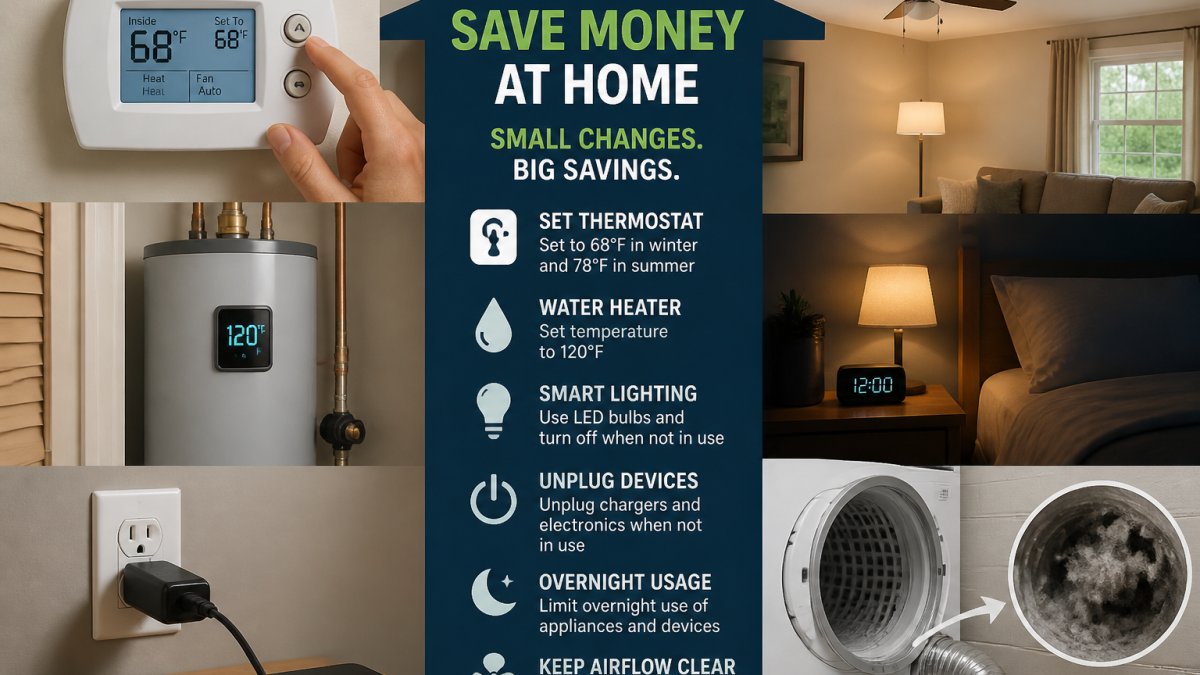
Table of Contents
- Why Is My Energy Bill So High? Start With a Bill Audit
- How to Reduce Heating and Cooling Costs First
- Everyday Habits That Cut Electricity Use
- Dryer Vent Cleaning and Energy Efficiency: The Overlooked Fix
- What a Home Energy Audit Actually Finds
- Prioritizing Fixes by Cost, Effort, and Payback
- Conclusion: Where to Start This Month
- Frequently Asked Questions
Last Updated: October 12, 2026
Why Is My Energy Bill So High? Start With a Bill Audit
Your energy bill is probably high because of how your home holds, loses, and uses power, not one single mistake.
1000000877
Most people glance at the total and toss the bill in a drawer. That's the first mistake.
Your utility statement tells a story. It shows how many kilowatt-hours you used, when you used them, and how that compares to last month and last year. Skip that part and you're guessing.
Reading Your Utility Statement Line by Line
Start with three numbers: total usage, billing period length, and your rate per kilowatt-hour. A 34-day billing period will always look worse than a 28-day one, even if nothing changed.
Then check the breakdown:
- Supply charges cover the power itself
- Delivery charges cover getting it to your home
- Taxes and fees sit on top of both
- Usage tiers may change your rate as you use more
Look for the usage comparison chart most utilities print. If this January ran 20% higher than last January, the weather or a failing appliance is the likely cause. That single comparison points you toward the fix.
Comparing Usage Across Seasons and Weather
Season and weather explain most bill spikes. Summer heat drives air conditioning. Winter cold drives heating.
Compare the same month year over year, not month to month. That controls for weather better than anything else.
If usage climbs while the weather stays mild, something in your home is working harder than it should. That's your cue to look at equipment, not habits.
How to Reduce Heating and Cooling Costs First
Heating and cooling usually eat the biggest share of a home energy bill, so they're where the fastest savings live. Nail these two systems and the rest gets easier.
Thermostat Settings That Actually Cut Runtime
Every degree you adjust your thermostat changes how long the system runs. The Department of Energy's guidance is commonly cited at roughly 7 to 10 degrees Fahrenheit of setback for about eight hours a day, for example, lower in winter while you sleep or are away, higher in summer. A programmable or smart thermostat handles the schedule so you don't have to remember.
Two caveats most tip lists skip:
- Heat pumps and some high-efficiency systems recover slowly. A deep setback can trigger backup electric resistance heat, which costs more than just holding a steady temperature. Check your system type before you program aggressive swings.
- Don't fight the thermostat. Cranking it to 60 in summer won't cool faster; it just runs longer at the same rate.
Time-of-Use Rates: Saving Without Using Less
If your utility offers a time-of-use (TOU) rate, your price per kilowatt-hour changes by hour of day. Peak windows are typically late afternoon through evening on weekdays; off-peak is overnight and often weekends.
What to shift to off-peak:
- Dishwasher and laundry
- EV charging
- Pool pumps and dehumidifiers
- Pre-cooling or pre-heating the house before the peak window opens
Check your utility's rate schedule and your own usage history before switching. If your household is home and drawing power all evening, a TOU plan can cost more, not less.
Blocking Sunlight and Sealing Air Leaks
Close blinds and curtains on sun-facing windows during hot afternoons. In winter, open them for free heat. Exterior shading, awnings, shade screens, or shade trees, cuts solar gain before it reaches the glass, which is more effective than interior blinds alone.
Then hunt for air leaks. The usual suspects:
- Door and window frames
- Electrical outlets and switch plates on exterior walls
- Where plumbing, wiring, and ductwork penetrate walls, floors, and ceilings
- Attic hatches and basement rim joists
Weatherstripping and caulk are cheap and quick. Sealing leaks keeps the air you paid to cool or heat inside your home.
Adding insulation in attics and walls slows heat transfer. It costs more upfront, but it pays back over years.
Troubleshooting a Sudden Heating or Cooling Spike
If your bill jumped and the weather didn't, the equipment may be the cause. A safe visual check:
- Air filter: a clogged filter restricts airflow and forces the blower to work harder. Check monthly during heavy-use seasons.
- Outdoor condenser unit: clear leaves, grass, and debris from around it. Keep at least two feet of clearance.
- Supply vents: make sure they're open and not blocked by furniture or rugs.
- Ductwork: look for disconnected joints, crushed flex duct, or visible tears in accessible attic or crawlspace runs.
- Refrigerant and compressor issues: these require a licensed technician. Don't attempt them yourself.
If the system short-cycles, runs constantly, or blows warm air in cooling mode, call a technician. A failing compressor or low refrigerant can quietly add hundreds of kilowatt-hours before it stops working entirely.
Everyday Habits That Cut Electricity Use
Small daily habits add up faster than most people expect. None of these cost much, and together they trim your monthly usage. This section is written for renters and homeowners alike, nothing here requires a landlord's permission or a major purchase.
Kill Standby Power Without Losing Your Mind
Standby power, sometimes called phantom load, is the electricity devices draw when they're "off" but still plugged in. Televisions, cable boxes, game consoles, printers, and chargers are common offenders. A cable box can draw nearly as much power off as on.
The practical fix isn't unplugging everything daily. It's grouping:
- Put the TV, console, and soundbar on one power strip. Flip it off at night.
- Put the computer, monitor, and printer on a second strip.
- Leave the router and modem alone, you need them on.
- Use a smart plug with a schedule for devices you forget.
Lighting: LEDs and the Habits Around Them
LED bulbs use a fraction of the wattage of incandescent bulbs for the same light output, and they last years longer. Swap the fixtures you use most first, kitchen, living room, and any light that stays on for hours.
Habits matter too:
- Turn off lights in empty rooms.
- Use task lighting (a desk or reading lamp) instead of lighting a whole room.
- Open blinds for daylight before reaching for a switch.
Appliances: The Loads You Control
You can't always replace the appliances your landlord installed, but you control how you run them:
- Washer: wash in cold water. Most of a wash cycle's energy goes to heating water, not running the motor.
- Dryer: clean the lint filter every load, and dry full loads back-to-back to reuse residual heat. See the dryer vent section below for the bigger issue.
- Dishwasher: run full loads and use the air-dry setting instead of heated dry.
- Refrigerator: keep coils clean and don't set the temperature colder than needed. A fridge in a hot garage works harder.
- Oven: use the microwave or toaster oven for small items. They heat less air for less time.
Hot Water: The Quiet Line Item
Water heating is typically the second- or third-largest energy use in a home, after heating/cooling and sometimes appliances. Two levers:
- Lower the tank temperature. Many tanks ship set higher than needed. Turning it down a few degrees cuts standby losses without a noticeable change in the shower.
- Low-flow showerheads and faucet aerators. These reduce the volume of hot water you use per minute, which cuts both water and water-heating energy. They're inexpensive and renter-friendly, you can swap the original back when you move.
Shorter showers help, but the fixture change does the work every time, whether you remember or not.
Renter-Friendly Moves and Landlord Coordination
If you rent, you can still act on most of this list. The items that require a landlord, insulation, HVAC replacement, duct sealing, water heater replacement, are worth a written request. Frame it around the landlord's interests: lower utility costs, fewer maintenance calls, and a longer-lived system. Many states and utilities also offer rebates or free weatherization programs for income-qualified households; ask your utility and your state energy office what's available.
Dryer Vent Cleaning and Energy Efficiency: The Overlooked Fix
A clogged dryer vent is one of the most overlooked reasons energy bills creep up. When lint builds up in the vent line, your dryer works harder and runs longer to dry the same load.
Here's what most guides miss: they tell you to upgrade appliances but never mention the vent. A high-efficiency dryer with a blocked vent still wastes energy.
Signs your vent needs attention:
- Clothes take two cycles to dry
- The dryer feels hot to the touch
- A burning or musty smell during use
- The outdoor vent flap barely moves
Professional dryer vent cleaning removes accumulated lint and debris that may restrict airflow. Depending on the service provider, camera inspections and airflow testing may also be available to help identify hidden problems and evaluate airflow before and after cleaning.
What a Home Energy Audit Actually Finds
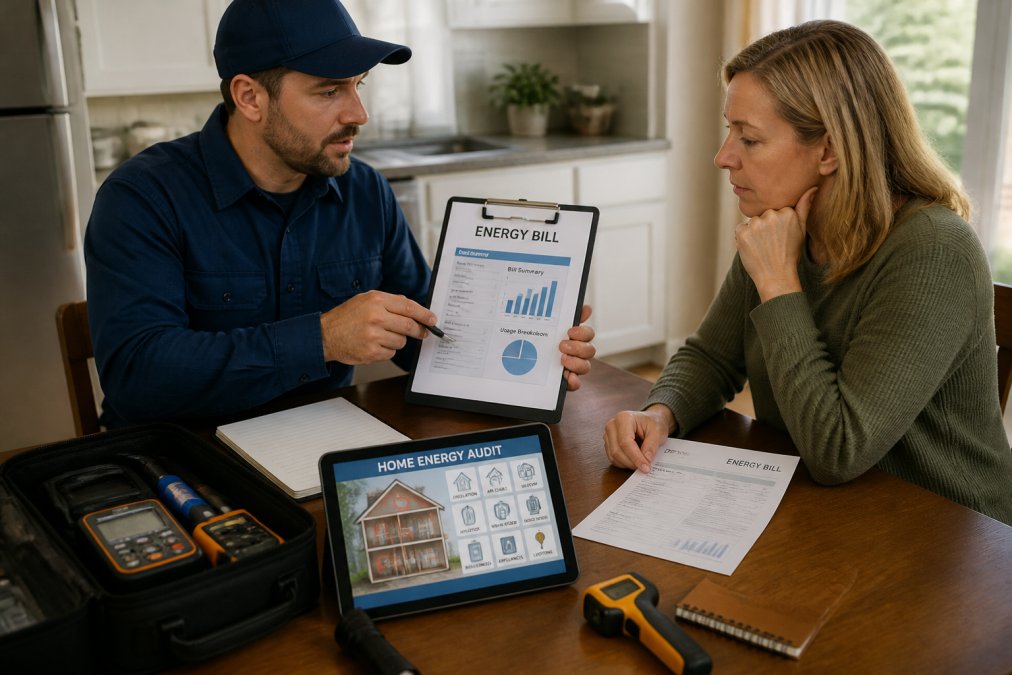
A home energy audit is a professional inspection that pinpoints exactly where your home wastes energy.
An auditor checks insulation levels, air leaks, ductwork, windows, and appliance performance. Many utilities offer low-cost or free audits, so ask yours first.
The report usually ranks problems by impact. That ranking matters, because it tells you what to fix first instead of spending on the wrong thing.
Prioritizing Fixes by Cost, Effort, and Payback
Not every fix deserves your money first. Rank them by cost, effort, and how fast they pay you back.
Fix | Cost | Effort | Payback Speed |
|---|---|---|---|
Unplug unused electronics | Free | Low | Fast |
LED bulbs and power strips | Low | Low | Fast |
Weatherstripping and caulk | Low | Medium | Fast |
Thermostat adjustments | Free | Low | Fast |
Dryer vent cleaning | Moderate | Low | Varies |
Attic insulation | Higher | High | Slow |
Appliance upgrade | Highest | High | Slow |
Start at the top. Free and low-cost fixes deliver quick savings with almost no effort. Save the big-ticket upgrades for last, once the cheap wins are done.
This is the part most people get wrong. They buy a new appliance before sealing a drafty door.
Conclusion: Where to Start This Month
The hardest part isn't finding fixes. It's knowing which one to do first.
One overlooked fix deserves a spot near the top of your list: your dryer vent. A clogged vent quietly drives up your energy use and raises your fire risk at the same time.
Lowering your energy bills doesn't always require expensive upgrades. Simple changes, routine maintenance, and addressing overlooked problems can make a difference. If your dryer is taking longer than normal to dry clothes, having the dryer vent inspected and cleaned may help restore efficiency while reducing potential fire hazards.
Frequently Asked Questions
Does cleaning a dryer vent lower energy bills?
A clogged vent traps heat and moisture, so the dryer runs longer per load. Clearing lint restores airflow, and shorter cycles mean less electricity or gas used per load. The effect shows up as faster drying times and fewer repeat cycles rather than a dramatic drop on the whole bill. If your dryer takes two cycles to dry a normal load, that is the clearest sign vent cleaning will help.
How can I find out what is causing a high electric bill?
Pull your last 12 utility statements and compare kilowatt-hours used, not dollars paid. Look for a month where usage jumped without a matching weather change. Then check the usual suspects: HVAC filters, thermostat settings, water heating, and any appliance that runs longer than it should. A home energy audit with airflow and thermal testing pinpoints the cause faster than guessing.
What uses the most electricity in a home?
Heating and cooling usually lead, followed by water heating and large appliances like dryers, refrigerators, and freezers. Electronics on standby add up too, especially older TVs, cable boxes, and game consoles. Unplugging unused electronics and switching to LED bulbs trims the smaller loads, but the HVAC system and water heater are where the biggest savings live.
When should I get a home energy audit?
Book one when your usage climbs for two or more billing periods without an obvious reason, after a major appliance change, or before spending on insulation or a new HVAC system. An audit measures air leaks, insulation levels, and appliance draw so you spend money on fixes that actually pay back. Many utility programs offer audits at low or no cost.