
Professional Dryer Vent Camera Inspection: What to Expect
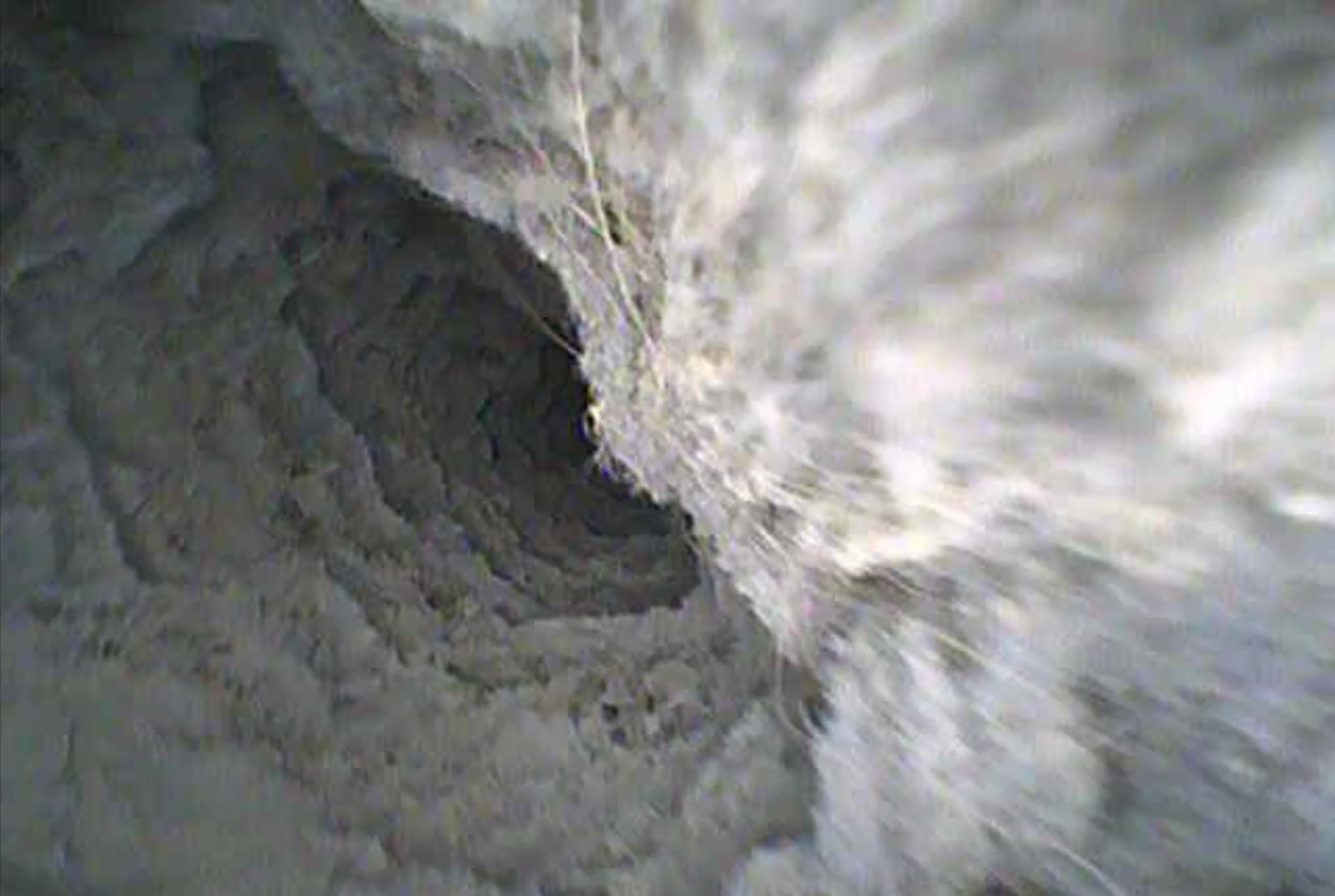
Table of Contents
- What a Professional Dryer Vent Camera Inspection Reveals
- Signs of a Clogged Dryer Vent You Should Never Ignore
- How a Dryer Vent Inspection Works Step by Step
- Dryer Vent Airflow Testing: Measuring What the Camera Can't Show
- From Inspection to Professional Dryer Vent Cleaning
- Costs, Limitations, and Safety Precautions for Camera Inspections
- Conclusion
- Frequently Asked Questions
Last Updated: October 16, 2026
What a Professional Dryer Vent Camera Inspection Reveals
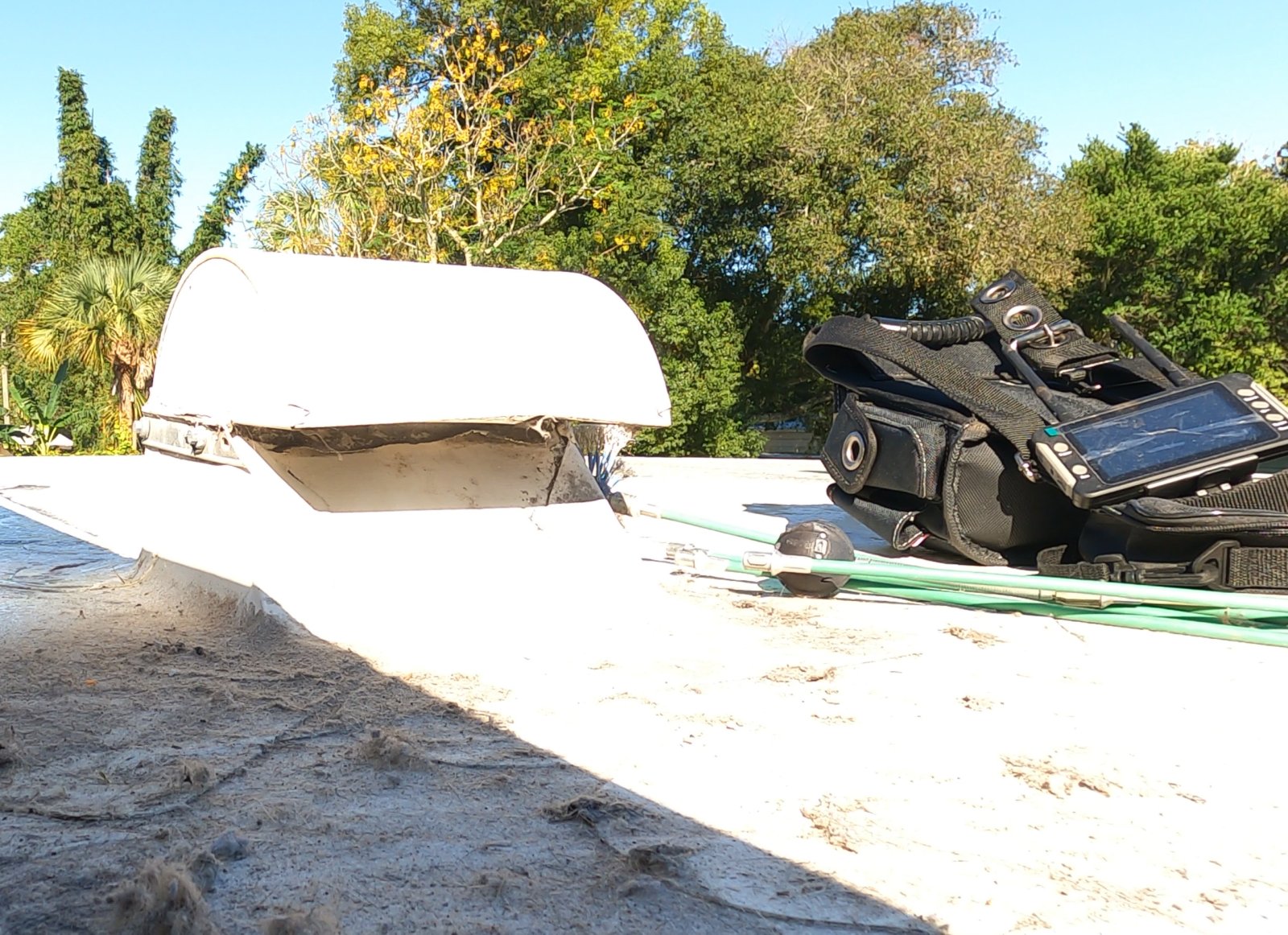
A professional dryer vent camera inspection allows a technician to examine portions of the dryer exhaust duct that cannot be seen during a normal visual inspection. Using a flexible camera probe equipped with lighting, the technician can look for accumulated lint, obstructions, damaged ductwork, and other visible concerns. Camera inspections are especially useful when the duct runs through walls, ceilings, or other areas that are difficult to access.
Dryer Vent Cleaning Camera Inspection
Why the Human Eye Misses Most Vent Problems
You can look at the outside vent flap and see lint. You can pull the dryer out and see the first elbow. That's it. The rest of the vent path runs behind walls, under floors, and through tight turns where light never reaches.
A camera inspection allows technicians to examine areas inside the dryer exhaust duct that cannot be seen during a normal visual inspection. Depending on the duct configuration and conditions, the camera may reveal accumulated lint, obstructions, damaged sections, or other concerns. However, tight bends, long duct runs, and heavy blockages can limit how far the camera travels. Even a partial inspection can provide useful information about the condition of the system.
Signs of a Clogged Dryer Vent You Should Never Ignore
The most common signs of a clogged dryer vent are longer dry times, a hot dryer body, and a burning smell during cycles. If your clothes consistently require multiple cycles to dry or the exterior vent flap barely moves while the dryer is operating, restricted airflow may be contributing to the problem.
Watch for these warning signs:
- Clothes take longer than one cycle to dry
- The dryer feels hot to the touch on top or sides
- A musty or burning smell comes from the dryer or laundry room
- The outside vent flap doesn't open fully when the dryer runs
- Lint accumulates around the dryer door or behind the appliance
- The laundry room feels humid or warm after a cycle
Warning Signs That Point to a Fire Hazard
A burning smell, visible scorching, or excessive heat around the dryer may indicate a potentially dangerous condition that requires immediate attention. Although these symptoms do not always indicate a blocked dryer vent, they should never be ignored. The U.S. Fire Administration https://www.usfa.fema.gov/prevention/home-fires/prevent-fires/appliance-and-electrical identifies failure to clean as a leading contributing factor in clothes dryer fires.
If you notice any of these, stop using the dryer until someone inspects the vent. The risk isn't worth one more load.
How a Dryer Vent Inspection Works Step by Step
A professional dryer vent camera inspection begins with evaluating the dryer exhaust system and determining the safest and most practical access point. Depending on the installation, the inspection may be performed from the exterior termination or from the dryer connection.
Step 1: Initial Assessment. The technician evaluates the accessible portions of the dryer vent system, identifies the exhaust termination, and looks for visible problems that may affect the inspection.
Step 2: Determine Camera Access. Depending on the duct configuration, the camera may be inserted from the exterior termination or from the dryer connection. Dryer disconnection may be necessary in some situations.
Step 3: Insert the Camera. A flexible camera probe is carefully introduced into the duct to examine accessible areas for lint accumulation, blockages, damage, or other visible concerns.
Step 4: Document Findings. When conditions permit, photographs or video footage may be recorded to document the condition of the duct and any concerns identified.
Step 5: Review Results. The technician explains the observations, identifies any inspection limitations, and recommends cleaning, repairs, or additional evaluation when appropriate.
Camera Equipment and What It Can Detect
Professional inspection cameras use flexible probes equipped with lighting to examine the interior of dryer exhaust ducts. Depending on the equipment and duct configuration, these cameras may capture photographs or video of conditions that are difficult to observe from the exterior.
Camera inspections may help identify:
- Accumulated lint and debris
- Bird nests or other obstructions
- Crushed or damaged duct sections
- Disconnected duct joints
- Screws or other objects protruding into the duct
- Areas where the camera cannot safely travel
Camera inspections are valuable diagnostic tools, but their effectiveness depends on accessibility, duct configuration, visibility, and equipment limitations.
Reading the Footage: What Happens Next
Once the camera inspection is completed, the technician reviews the visible conditions to determine whether cleaning, repairs, or further evaluation may be necessary. The amount of accumulated lint, the presence of obstructions, and the physical condition of the duct all help guide the recommendations.
- Lint dusting: A light accumulation of lint along the duct walls. This may be addressed during routine maintenance, depending on the condition of the system.
- Lint matting: Thick, fibrous buildup that narrows the duct. Cleaning is needed soon.
- Hard blockage: A nest, wad of lint, or foreign object stopping airflow. Stop using the dryer until it's cleared.
- Duct defect: A kink, crushed section, damaged connection, or separated joint may restrict airflow or allow exhaust to escape into surrounding areas. Depending on the condition, repairs or replacement may be recommended.
- Camera limitation: If the camera cannot safely travel farther into the duct, the technician should document where the inspection stopped and explain any possible obstructions or limitations. Additional evaluation may be recommended when the cause cannot be determined.
We walk you through the footage so you understand the decision. No guesswork, no pressure.
Dryer Vent Airflow Testing: Measuring What the Camera Can't Show
Dryer vent airflow testing provides additional information about how effectively air moves through the dryer exhaust system. While a camera inspection allows technicians to observe visible conditions inside accessible portions of the duct, airflow measurements help evaluate system performance.
When conditions permit, airflow may be measured at the exterior termination before and after cleaning. These measurements can help identify changes in performance and determine whether cleaning has improved airflow.
A noticeable improvement in airflow may indicate that restrictions have been reduced. However, airflow can also be affected by duct length, bends, exterior termination design, dryer operation, and other conditions.
Used together, camera inspections and airflow measurements provide a more complete assessment than either method alone.
From Inspection to Professional Dryer Vent Cleaning
When a camera inspection identifies lint accumulation or other obstructions, professional cleaning may be recommended to help restore proper airflow.
Cleaning methods vary depending on the duct configuration, accessibility, and condition of the exhaust system.
Compressed-Air Cleaning: Specialized compressed-air tools can loosen lint and debris and move material through the duct toward an accessible discharge or collection point.
Rotary Brush Cleaning: Mechanical agitation may be used to help remove stubborn lint accumulation from accessible sections of the duct.
Vacuum Equipment: Vacuum systems may be used to collect loosened lint and debris, particularly when cleaning from interior access points.
After cleaning, additional camera inspection and airflow measurements may be performed when conditions permit. These observations help evaluate the cleaning results and identify any remaining concerns.
Not every restriction can be corrected through cleaning alone. Damaged ductwork, improper installations, or inaccessible obstructions may require additional repairs or evaluation.
Costs, Limitations, and Safety Precautions for Camera Inspections
The cost of a professional dryer vent camera inspection depends on whether the inspection is performed as a standalone service or included with dryer vent cleaning. Duct accessibility, installation complexity, and additional equipment requirements may also affect pricing.
Some service providers offer a standard rate for routine residential dryer vent cleaning and assessment, while more complicated installations may require additional charges. Homeowners should ask what is included in the quoted price, including camera inspections, airflow testing, and documentation when available.
What Drives the Cost
- Vent length and routing: A short, straight run behind the dryer is the simplest job. Long runs with multiple elbows, second-floor laundry rooms, or roof terminations take more time and equipment.
- Accessibility: Ground-level exhaust terminations are generally easier to access than elevated or roof-mounted terminations. Some installations may require additional equipment, access arrangements, or safety precautions, which can affect the service cost.
- Bundling: Some companies include camera inspections as part of their dryer vent cleaning service, while others charge separately. Ask whether the inspection is included in the quoted price and what additional services may affect the final cost.
- Documentation: Before-and-after footage and a written report add value. Confirm whether they're included or an add-on.
Before scheduling service, homeowners should ask for a clear explanation of the quoted price and what it includes. A standard cleaning may cover routine inspection and maintenance, while difficult access, extensive blockages, or repairs may involve additional charges. Understanding the scope of service helps homeowners compare providers and avoid unexpected costs.
Limitations to Know About
A camera is a powerful tool, but it isn't omniscient. Be aware of these limits:
- Obstructions or Suspected Duct Damage: A camera may be unable to pass through a blockage, sharp bend, or damaged section of ductwork. If the cause cannot be confirmed visually, further evaluation may be necessary before determining whether repairs are required.
- Sharp turns: Tight elbows can limit how far a rigid or semi-rigid probe reaches. A flexible cable helps, but some runs still have a limit.
- Roof and high terminations: Roof-mounted vents may require additional safety setup, and weather can delay the work.
- Airflow vs. Appearance: A duct may appear relatively clean during a camera inspection but still have reduced airflow because of its length, configuration, termination design, or other factors. Airflow measurements can provide additional information about system performance.
- Hidden sections: Insulated or concealed duct runs may not be fully visible even with a camera. We document what we can see and flag what we can't.
Safety Precautions
- Electrical and Gas Safety: When accessing a dryer requires moving or disconnecting the appliance, appropriate electrical and gas safety procedures should be followed by qualified personnel.
- Damaged or Obstructed Ductwork: Camera probes should not be forced through blockages or sharp bends, as this may damage the ductwork or inspection equipment.
- Sharp Materials: Exposed sheet-metal edges and damaged transition ducts may have sharp surfaces. Appropriate protective equipment should be used when handling these components.
- Potential Fire Hazards: If a dryer produces a burning smell, visible smoke, or excessive heat, discontinue use until the cause has been identified and corrected.
Conclusion
Dryer vent camera inspections provide valuable information about conditions that cannot be observed during a routine visual inspection. When combined with airflow measurements and professional cleaning when needed, they can help identify restrictions, evaluate cleaning results, and reveal concerns that may require additional attention.
Understanding the capabilities and limitations of camera inspections allows homeowners and property managers to make more informed decisions about dryer vent maintenance.
Regular maintenance and attention to warning signs remain important parts of maintaining a properly functioning dryer exhaust system.
Frequently Asked Questions
What can a camera inspection reveal inside a dryer vent?
A dryer vent camera inspection can help identify lint accumulation, obstructions, damaged ductwork, disconnected joints, and other visible concerns inside accessible portions of the exhaust system. However, duct configuration, visibility, and existing blockages may limit how much of the system can be examined.
When should you schedule a professional dryer vent inspection?
Consider scheduling an inspection when clothes consistently take longer to dry, the dryer becomes unusually hot, airflow appears restricted, or other warning signs develop. Camera inspections may also be useful when a duct has an unusual configuration or when the cause of poor dryer performance is unclear. Routine cleaning frequency should be based on dryer usage, duct conditions, and manufacturer recommendations.
Can a camera inspection find a blockage in a long or concealed dryer vent?
Camera inspections can help locate lint accumulation, obstructions, and visible duct damage in accessible portions of long or concealed dryer exhaust systems. However, tight turns, lengthy duct runs, standing water, and heavy blockages can prevent the camera from reaching certain areas. Additional evaluation may be necessary when an inspection cannot be completed.
What happens after a dryer vent camera inspection?
After the inspection, the technician reviews the observed conditions and explains whether cleaning, repairs, or additional evaluation may be appropriate. If cleaning is performed, follow-up camera inspections and airflow measurements may help evaluate the results when conditions permit. Any inspection limitations or unresolved concerns should also be communicated to the homeowner or property manager.