
What Dryer Vent Cleaning Includes: Full Service Breakdown
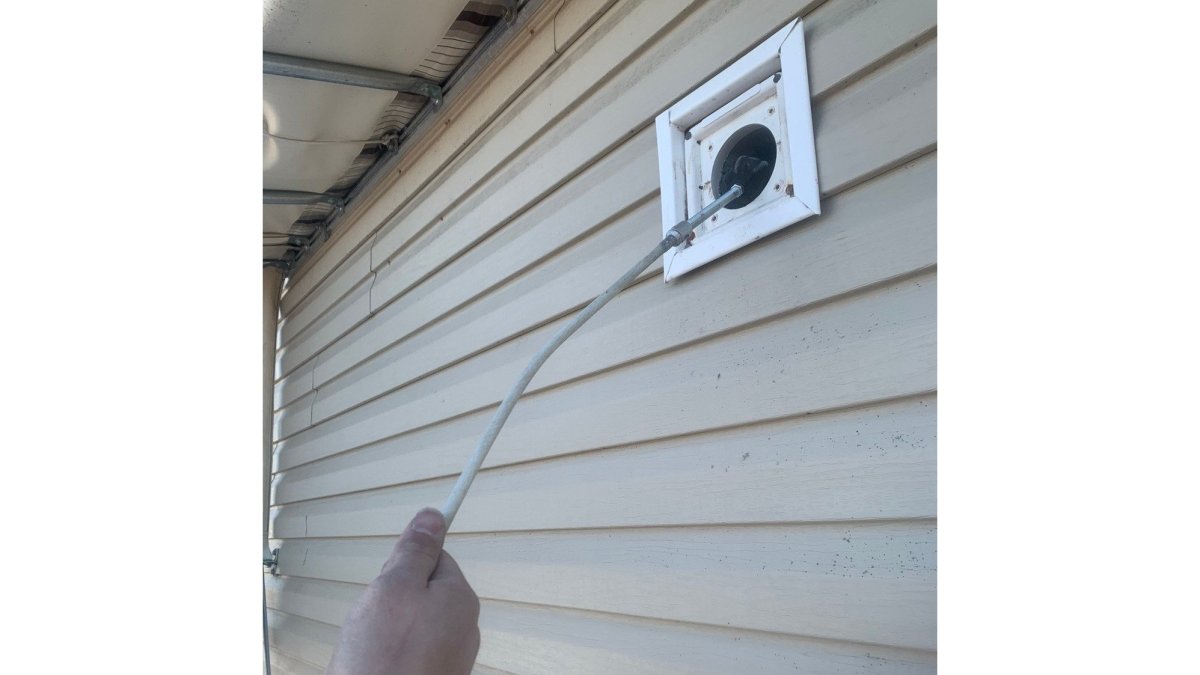
Table of Contents
- What Professional Dryer Vent Cleaning Includes
- Signs Your Dryer Vent Needs Cleaning
- The Dryer Vent Inspection Process
- Lint Removal and Debris Extraction
- How Long Does Dryer Vent Cleaning Take
- Dryer Vent Cleaning Checklist: What to Expect
- Professional Cleaning vs. DIY Maintenance
- How to Verify Your Vent Is Clean
- Frequently Asked Questions
Last Updated: October 18, 2026
What Professional Dryer Vent Cleaning Includes
Professional dryer vent cleaning involves removing accumulated lint and debris from the dryer exhaust system to help restore proper airflow and reduce potential fire hazards. Depending on the service provider, cleaning may also include visual inspections, camera inspections, airflow measurements, and documentation of the work performed. Understanding what is included helps homeowners compare services and know what to expect before scheduling an appointment.
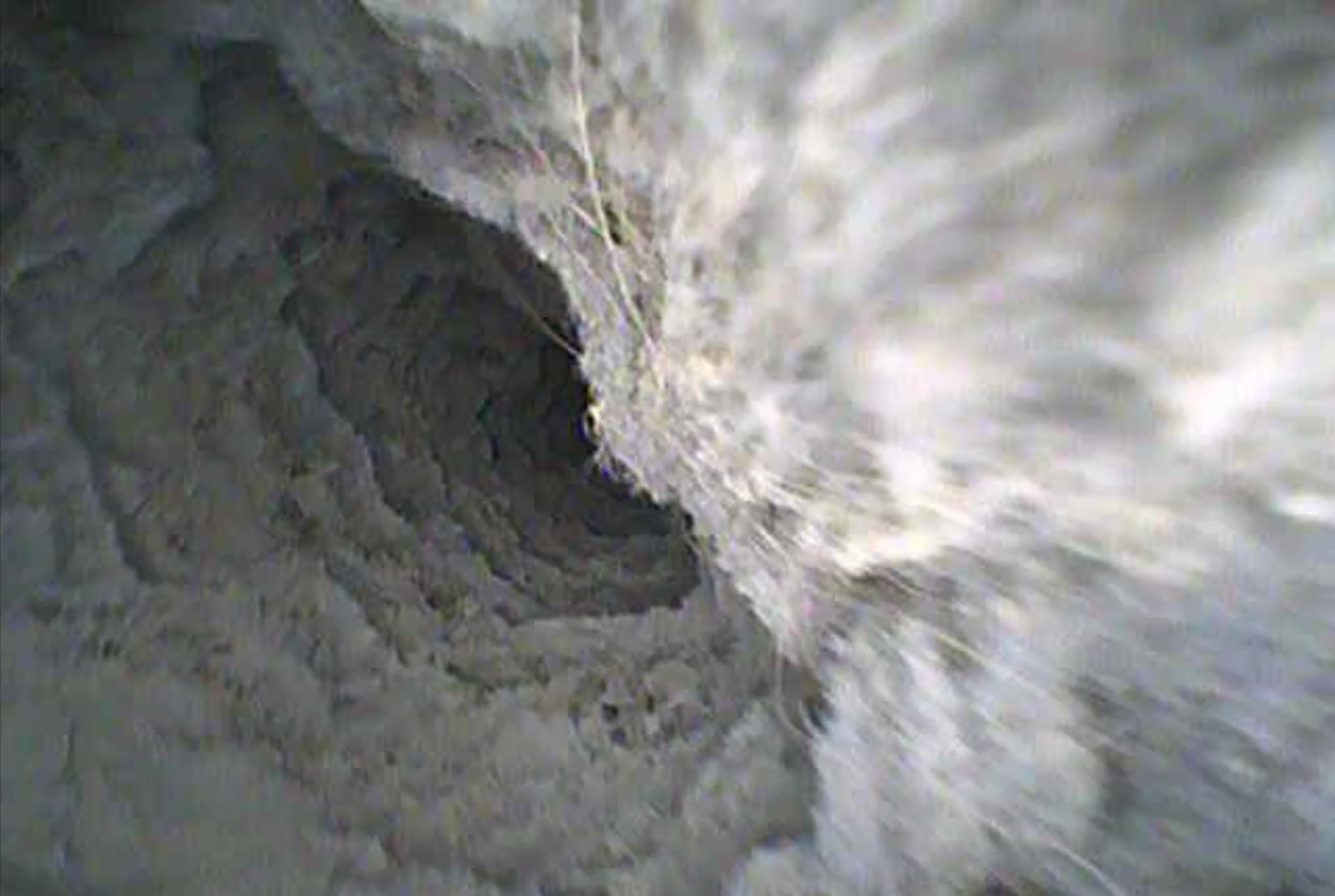
Professional Dryer Vent Camera Inspection: What to Expect Lint build up
Here's an overview of what professional dryer vent cleaning may include.
The core service components
A professional dryer vent cleaning generally begins with an assessment of the exhaust system to identify accessible connections, visible lint accumulation, and potential airflow restrictions.
Cleaning methods vary depending on the duct configuration and the equipment used by the service provider. Specialized compressed-air tools, rotary brushes, and vacuum equipment may be used individually or in combination to remove accumulated lint and debris.
After cleaning, technicians may inspect accessible portions of the duct, examine the exterior termination, or measure airflow to evaluate the results. Homeowners should ask what inspections, testing, and documentation are included in the standard service price.
What happens before and after
Before the appointment, ask the technician what to do. Most recommend clearing the area around your dryer for easy access; you may need to move it away from the wall.
After cleaning, some service providers offer before-and-after photographs, camera inspection footage, airflow measurements, or a written summary of the work completed. The type of documentation varies, so homeowners should confirm what is included before scheduling service.
Signs Your Dryer Vent Needs Cleaning
Your dryer sends clear signals when the vent needs attention, helping you catch problems before they become dangerous.
Clothes taking longer to dry is the most obvious warning.
Excess heat around the dryer is another red flag.
A burning smell during dryer operation may indicate a potentially dangerous condition. Stop using the dryer until the cause has been identified and corrected.
Other signs include:
- Lint visible around the outside vent hood
- Moisture or condensation in the laundry room
- Clothes smelling musty after drying
- Dryer shutting off before clothes are dry
Any of these warrant a professional inspection to determine whether you need a full dryer vent cleaning or another issue is at play.
The Dryer Vent Inspection Process
Inspection is where professionals identify what needs cleaning and where problems exist, protecting your home and guiding the work.
Visual and camera inspection
Technicians visually examine the dryer exterior and lint trap for damage, disconnections, or obvious lint buildup, then look behind the dryer to see how the vent connects and whether access is easy.
Some dryer vent cleaning companies use inspection cameras to examine accessible portions of the exhaust duct. These cameras can help identify accumulated lint, obstructions, damaged ductwork, or disconnected sections. However, sharp bends, heavy blockages, and long duct runs may limit how far the camera can travel.
Airflow testing and verification
Airflow testing helps evaluate how effectively air moves through the dryer exhaust system. When conditions permit, technicians may measure airflow at the exterior termination before and after cleaning.
Comparing measurements can help identify improvements in airflow after lint and debris have been removed. However, readings can also be affected by duct length, bends, dryer operation, and termination design.
Airflow measurements provide useful information about system performance, but they do not independently confirm that every section of the duct is clean or free from damage.
Lint Removal and Debris Extraction
Removing accumulated lint and debris from the dryer exhaust duct is the primary purpose of professional dryer vent cleaning. This process can improve airflow and reduce potential fire hazards associated with lint buildup. However, cleaning alone cannot correct every problem, particularly when damaged or improperly installed ductwork is involved.
Lint trap and lint-trap housing
The lint trap catches most lint each cycle, but lint escapes into the housing around it. Over time, this buildup restricts airflow and creates a fire hazard.
Some professional cleaning services include brushing or vacuuming accessible areas of the lint-trap housing, while others focus primarily on the exhaust duct extending from the dryer connection to the exterior termination. Homeowners should confirm whether internal dryer components or lint-trap housing cleaning is included in the quoted service.
Exhaust duct and vent pipe cleaning
The exhaust duct carries moist air and lint from the dryer to the outside, and lint accumulates along its inside, reducing airflow and trapping moisture.
Professionals may use compressed-air agitation, rotary brushes, vacuum equipment, or a combination of methods to remove accumulated lint and debris. The selected cleaning method depends on duct length, accessibility, configuration, and the condition of the exhaust system.
The outside vent hood also needs cleaning.
Behind-the-dryer access and cleaning
Access behind the dryer may be necessary to inspect the transition duct, evaluate the connection to the exhaust system, or perform cleaning from the interior.
During this process, technicians may identify damaged or crushed transition ducts, loose connections, or accumulated lint around accessible components.
Cleaning the floor or surrounding laundry area behind the dryer may be offered by some providers but should not automatically be assumed to be part of a standard dryer vent cleaning service.
How Long Does Dryer Vent Cleaning Take
The time required for professional dryer vent cleaning depends on the duct configuration, accessibility, and amount of accumulated lint or debris.
Short, accessible duct runs may require less time, while longer ducts, roof terminations, severe blockages, or additional inspection procedures may extend the service.
Homeowners should ask the provider for an estimated service window based on their installation. A thorough cleaning should focus on addressing the conditions found rather than meeting a specific time limit.
Dryer Vent Cleaning Checklist: What to Expect
A professional dryer vent cleaning is easiest to evaluate when you know the standard scope, the common add-ons, and the conditions that change the job. Use this checklist to compare quotes and to confirm the work was done.
Standard service checklist
Professional dryer vent cleaning services can vary between providers. The following checklist can help homeowners understand what to ask about before scheduling service.
- Initial Assessment: Ask whether the technician evaluates the dryer exhaust system and checks for visible damage or restrictions before cleaning.
- Exhaust Duct Cleaning: Confirm that the service includes cleaning accessible portions of the exhaust duct from the dryer connection toward the exterior termination, using methods appropriate for the installation.
- Exterior Termination: Ask whether the exterior vent opening and damper are inspected and cleaned when safely accessible.
- Transition Duct Inspection: Find out whether the flexible or rigid connection between the dryer and the exhaust duct is inspected for damage, crushing, or loose connections.
- Camera Inspection: Ask whether camera inspections are available and whether they are included in the quoted service.
- Airflow Measurements: Find out whether airflow is measured before and after cleaning when conditions permit.
- Documentation: Ask whether photographs, video, or a summary of the work performed will be provided.
Understanding what is included in the standard service price helps homeowners compare companies and avoid unexpected charges. A clear explanation of the cleaning process, available inspections, and possible additional costs is often all that's needed before scheduling routine service.
What may cost extra
The services included in a standard dryer vent cleaning vary between providers. Certain conditions may require additional work or equipment, which can affect the final cost:
- Repairs. Crushed or disconnected duct sections, damaged dampers, or loose connections usually fall outside routine cleaning and may need parts or labor.
- Duct replacement. If the existing duct is damaged, improperly installed, or made of a material that cannot be cleaned effectively, replacement may be recommended instead of cleaning.
- Difficult access. Roof exits, long runs, multiple bends, concealed ducts, and tight spaces behind the dryer can add labor time and may require specialized tools.
- Severe blockages. Heavy lint accumulation, nests, or debris that takes extra time to break loose can change the scope.
- Commercial or Multifamily Properties: Larger facilities, multiple dryer connections, complex duct configurations, and additional access requirements may affect service pricing.
Before scheduling service, homeowners should ask what is included in the standard price and whether certain conditions could result in additional charges. If unexpected problems are discovered during cleaning, the technician should explain the issue and discuss any additional costs before proceeding with extra work.
How to tell the work was thorough
After cleaning, homeowners can ask the technician to explain the areas serviced and any issues identified. Before-and-after photographs, camera inspection footage, or airflow measurements may also provide useful information about the results when available. The technician should communicate any portions of the system that could not be accessed or fully evaluated.
Professional Cleaning vs. DIY Maintenance
Many homeowners try to clean their dryer vents themselves using brush kits from hardware stores. Understanding what DIY can and cannot do helps you decide when to call a professional.
What DIY can handle safely
Homeowners can safely manage routine maintenance that does not require moving the dryer or reaching inside the full duct run:
- Lint trap cleaning. Remove and clean the lint trap before or after every load. This is the single most effective habit for reducing lint buildup.
- Lint-trap housing surface cleaning. With the trap removed, vacuum or brush the visible housing area using a long, flexible brush or vacuum attachment.
- Outside hood check. From outside, confirm the damper opens when the dryer runs and remove visible lint from the hood opening.
- First few feet of accessible duct. If the duct is short, straight, and reachable, a DIY brush kit can remove surface lint between professional cleanings.
These tasks reduce lint accumulation but do not replace a full cleaning of the duct run.
Where DIY falls short
DIY brush kits have real limits that matter for safety and effectiveness:
- Reach. Consumer cleaning kits vary in length and capability. Long duct runs, sharp bends, and inaccessible terminations can make it difficult to clean the entire exhaust system effectively.
- Access behind the dryer. Moving the dryer safely, especially gas dryers, which require shutting off the gas supply, is a job for a technician. Lint that settles behind the dryer is often missed.
- Concealed and roof-exit runs. Ducts routed through walls, ceilings, or the roof require specialized rods, cameras, and access methods homeowners do not have.
- Verification. Without suitable testing equipment, homeowners may have difficulty evaluating airflow changes or determining whether restrictions remain after cleaning.
- Damage risk. Forcing a brush through a tight bend can crush or disconnect the duct, creating a new restriction or a safety hazard.
How to decide
Use these criteria to choose between DIY maintenance and professional cleaning:
- Short, straight, accessible duct. DIY surface cleaning between professional visits is reasonable.
- Long runs, bends, roof exits, or concealed ducts. Professional cleaning is the safer choice because the equipment and access methods are different.
- Gas dryer. Professional service is recommended for any work that requires moving the dryer or disconnecting the duct.
- Signs of a problem. Longer drying times, excess heat, burning smells, or musty clothes warrant a professional inspection rather than a DIY attempt.
Routine homeowner maintenance, such as cleaning the lint screen and checking the exterior termination, is an important part of dryer care. Professional cleaning may be appropriate when lint accumulation, reduced airflow, difficult access, or other concerns require additional equipment or evaluation. Cleaning frequency should reflect dryer usage, duct conditions, and manufacturer recommendations.
How to Verify Your Vent Is Clean
After professional dryer vent cleaning, homeowners should understand what work was completed and whether any concerns remain.
Ask the technician which sections of the exhaust system were cleaned and whether any areas could not be accessed.
Before-and-after photographs, camera inspection footage, or airflow measurements may provide additional information about the condition of the duct and cleaning results when available.
Observe dryer performance during subsequent laundry cycles. If drying times remain unusually long, additional evaluation may be necessary because not every dryer performance problem is caused by the exhaust duct.
A professional service provider should be willing to explain the work performed and discuss any limitations or recommended repairs.
Frequently Asked Questions
How often should I have my dryer vent professionally cleaned?
Dryer vent cleaning frequency depends on how often the dryer is used, the exhaust duct configuration, and how quickly lint accumulates. Annual cleaning is a common maintenance recommendation, but some households may require more frequent attention while others may not. If drying times increase, airflow appears restricted, or other warning signs develop, the system should be evaluated regardless of when it was last cleaned.
Does professional dryer vent cleaning include cleaning inside the dryer itself?
Standard dryer vent cleaning generally focuses on the exhaust duct extending from the dryer connection to the exterior termination. Cleaning inside the dryer cabinet, including internal lint passages, blower components, or heating areas, is typically a separate service. Some providers may also clean accessible portions of the lint-trap housing. Homeowners should confirm exactly what is included before scheduling service.
What tools and equipment do professionals use for dryer vent cleaning?
Professional dryer vent cleaning may involve specialized compressed-air equipment, rotary brushes, vacuum systems, inspection cameras, and airflow measurement tools. The equipment selected depends on the duct configuration, accessibility, and amount of accumulated lint or debris. Not every service provider uses the same methods or includes camera inspections and airflow testing.
How can I tell if my dryer vent cleaning was done properly?
Ask the technician to explain which sections of the exhaust system were cleaned and whether any concerns were identified. When available, before-and-after photographs, camera inspection footage, or airflow measurements can help demonstrate cleaning results. If drying times remain unusually long or airflow problems continue, further evaluation may be needed.
Professional dryer vent cleaning is an important part of maintaining a safe and efficient dryer exhaust system. Understanding what a cleaning service includes, recognizing warning signs, and addressing problems early can help homeowners make informed decisions about maintenance.
ClearFlow Jax LLC provides dryer vent cleaning and inspections throughout the Jacksonville and North Florida area, including camera inspections and airflow testing when conditions permit.